I make paintings of the wilderness and in cities and little towns before dawn that bring to life that awe-filled mystery of being alive on this planet.
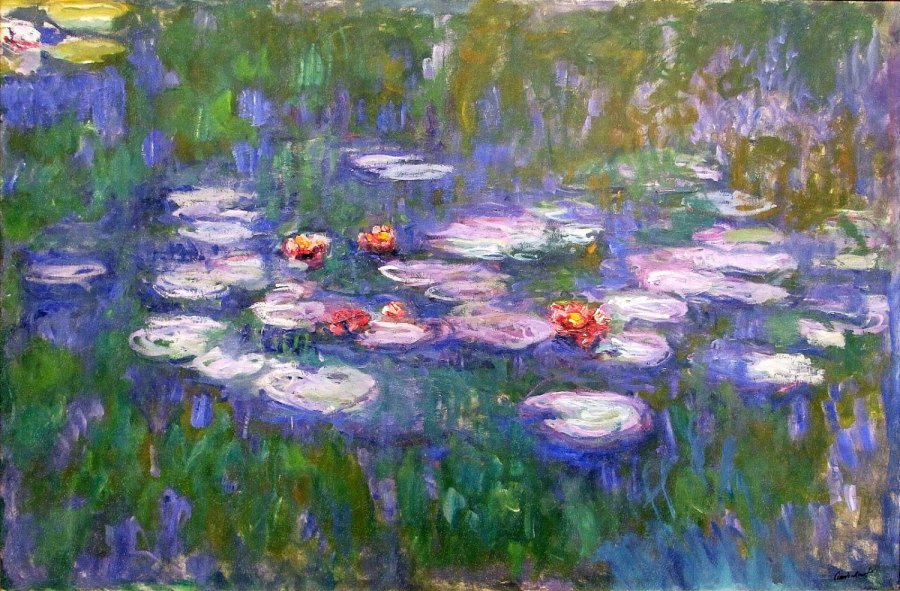
This is a fascinating article about Monet and his behind the scenes struggles. I also just finished Susan Vreeland’s The Luncheon of the Boating Party about the famous work by Renoir and what went into it, which I highly recommend.
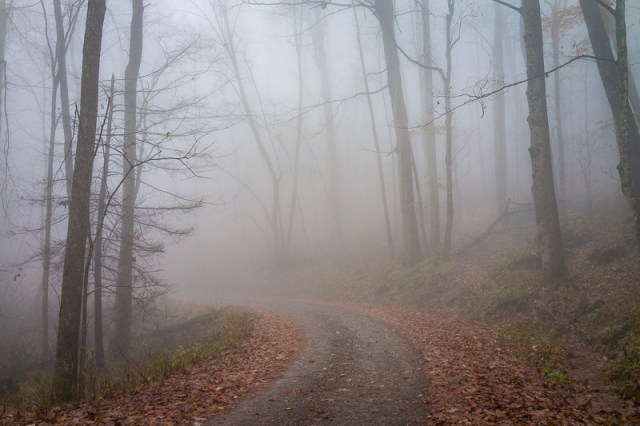
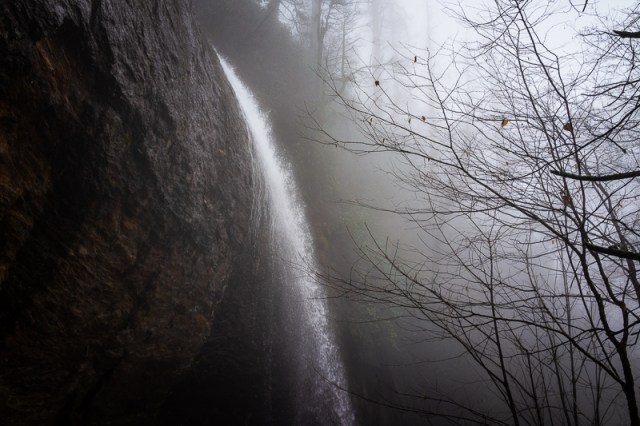
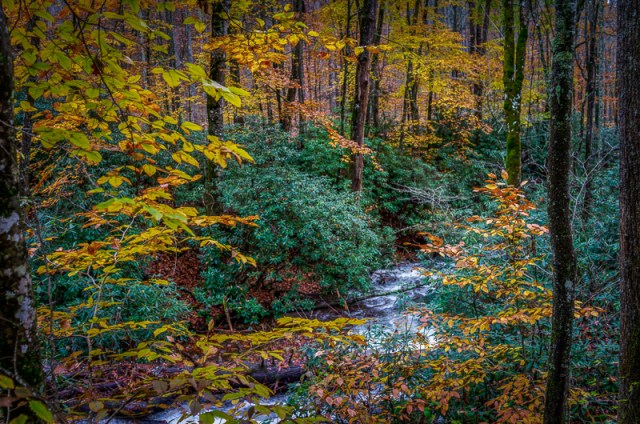
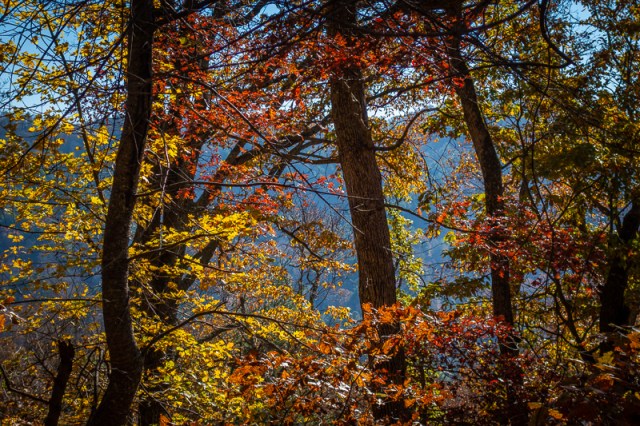
These are from a lovely foggy autumn day in Big Ivy, North Carolina driving up state road 2173 to Douglas Falls. I was visiting my sister and her family in Asheville and my brother in law and he took me to this special place.
This was a year ago, and I was too depressed with the political news, and a beloved dog dying to post them, so I waited a year to do it. It’s such a lovely place that I didn’t want to not post them! And now of course we are surrounded by two new young canine family members…
On the foggy road up Big IvyAs we were walking to Douglas Falls, the fog cleared for a little while and revealed this lovely view.Douglas Falls in fog…..and after the fog clearedPeach Orchard CreekStaire Branch in the fogWalker BranchLittle Andy creekWalker Branch after the fog rolled back inA view from the trees near Asheville
My lovely and talented wife, Melinda Tidwell, recently traveled to Seattle to work with the great Carla Sonheim (https://www.carlasonheim.com/) to film a series of online collage/composition workshops. I took the opportunity to wander around up there and here are some photographs from those rambles.
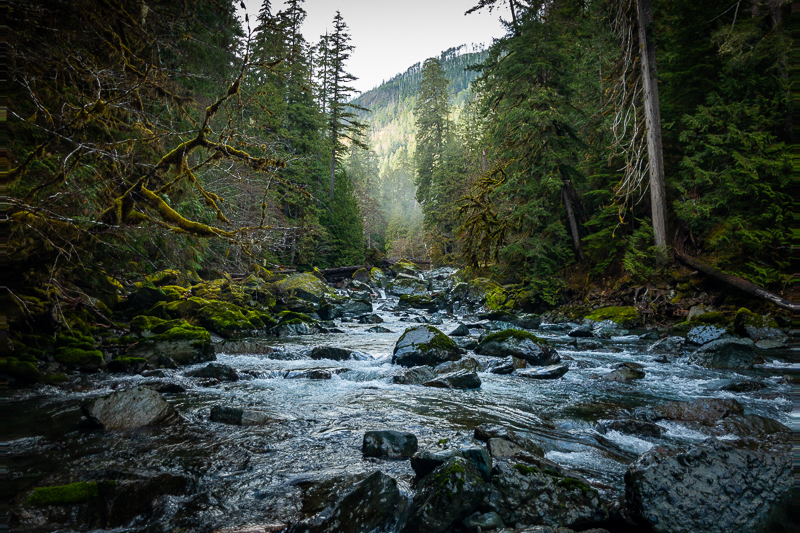
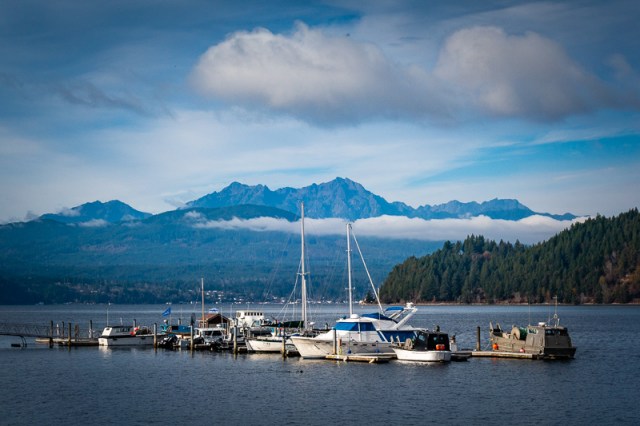
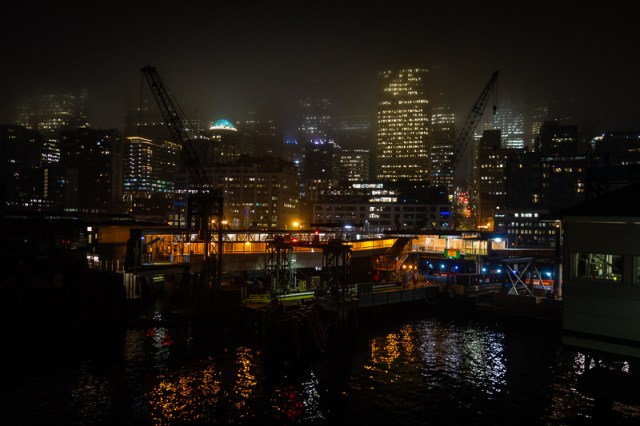
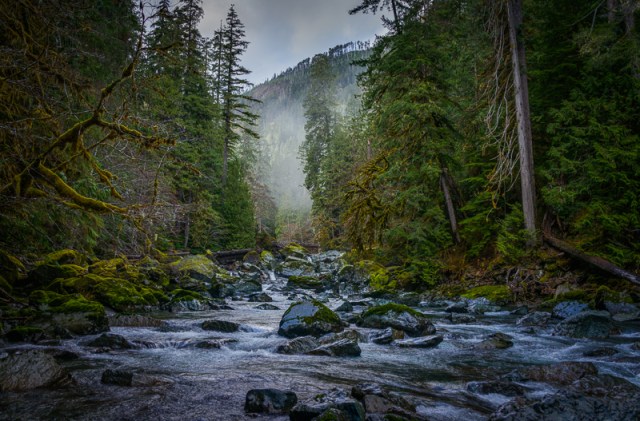
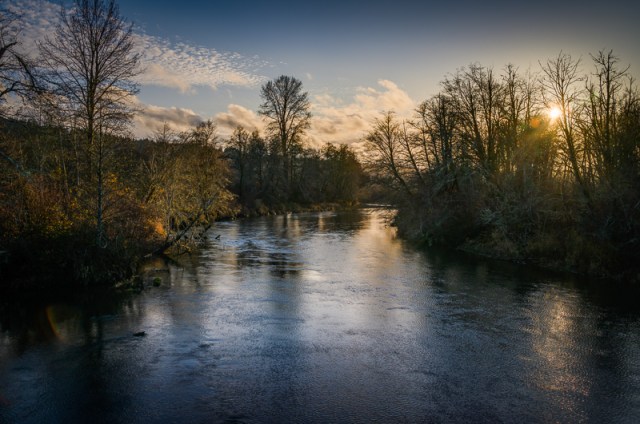
This is the ferry to Southworth on the first morning. It was delightfully (for a Santa Fean) overcast and rainy as we headed west to the Olympic Peninsula)This is the view from near Union, Washington looking over the Hood Canal towards the mountains.This is overlooking Lake Cushman above Hoodsport, Washington.Looking back towards Seattle from the 6:10am ferry to Bainbridge Island.The beautiful Lake Crescent.Elwha River at the entrance to Olympic National Park, which unfortunately had the road closed this day.Ruby Beach, on the Pacific. Time to turn around.Looking south along the shore.Next morning I headed out to the southern entrance to Olympic National Park at Staircase on the Skokomish River.This is a wildly beautiful place, and of course I didn’t encounter a soul.Some of the amazing staircase rapids on the Skokomish River.End of the day on the Skokomish River, near where it enters Hood Canal.Looking back towards the mountains as I head to the ferry.An Edward Hopper moment on the ferry.The night skyline of Seattle as the ferry approaches.
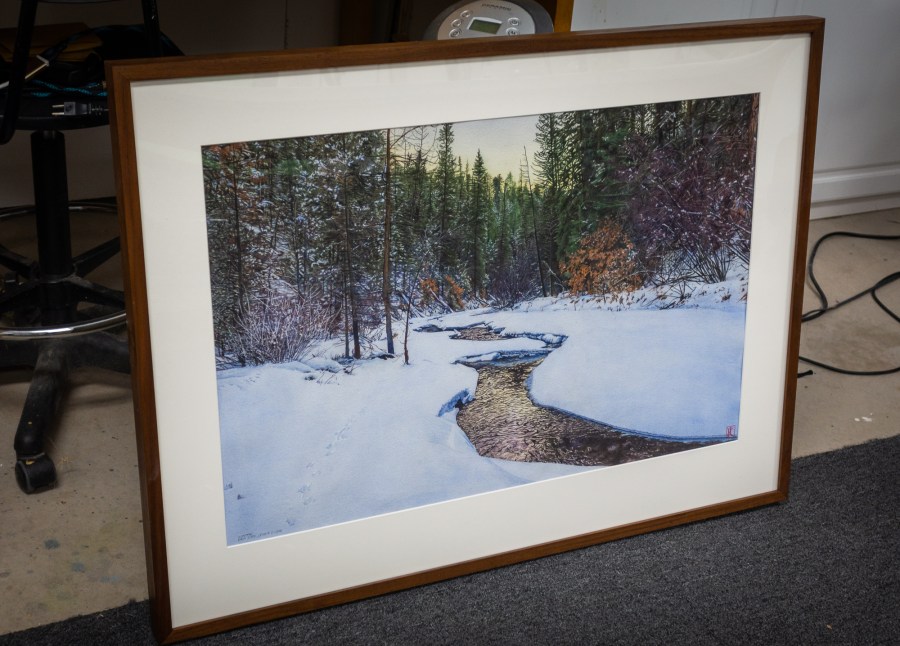
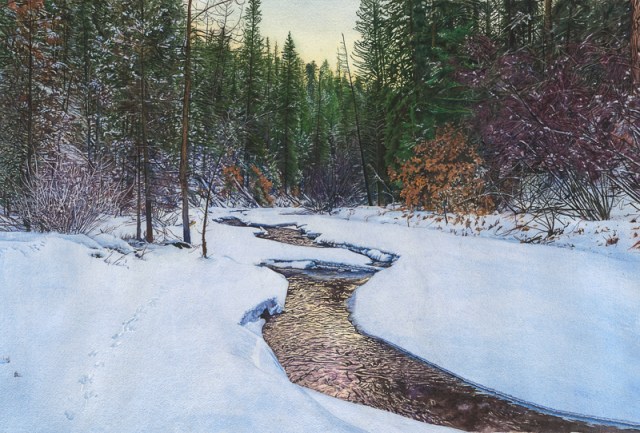
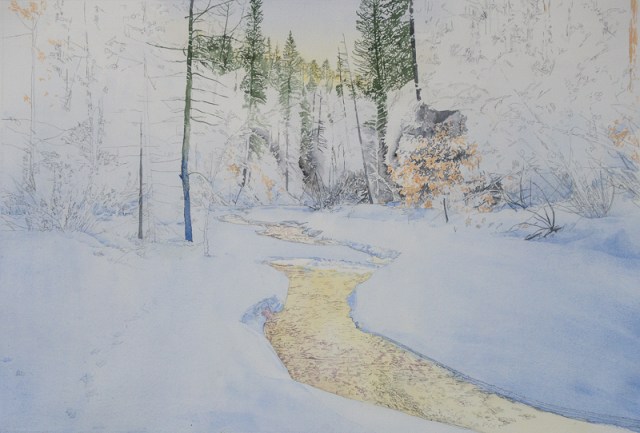
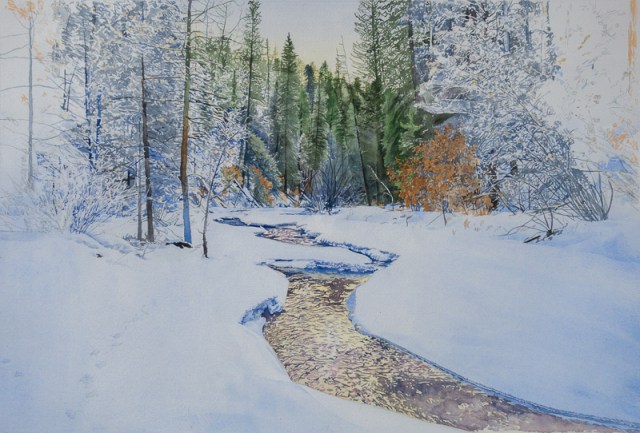
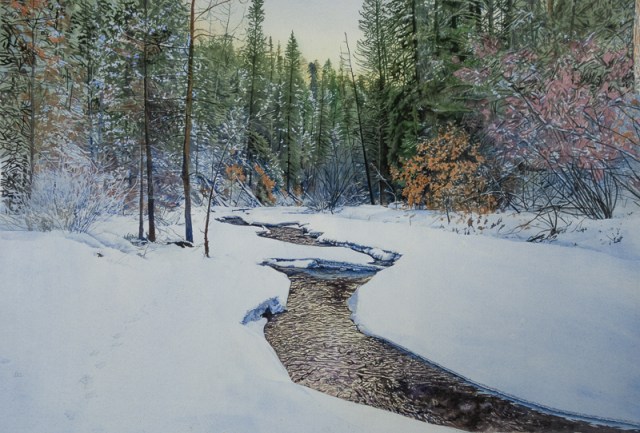
I got some lovely news yesterday: my watercolor, Winter, East Fork Jemez River, won the People’s Choice Award at the New Mexico Watercolor Society Fall Show! It also won another small award, but I’m especially pleased by the People’s Choice Award.
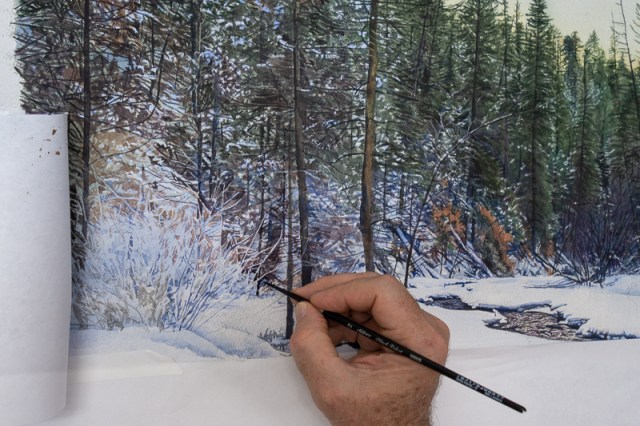
A couple of winters ago, I went through the canyon of the Jemez River near Valles Caldera in New Mexico. I wore some cheap waders and some good crampons, as the landscape was filled with ice and snow. This is a watercolor towards the end of the day from pretty far in the canyon, but out of the rocks. I had been following a coyote for most of the way, and wanted to include his (her) tracks. Here are some of the stagesof the painting along the way.
It’s always tricky knowing how to begin a complicated scene. In this case, I put in some of the foreground snow and the warm reflection on the water before starting on the trees.Some of the darker trees in the middle are indicated, and the pattern of ripples on the water. This gives an indication of the slow process of painting the crazy detail of snow covered forest!.Now that things have started to be in the right place, I realized I needed to bring things to the right value, so the river gets darker and more accurate now.This is a photograph from my phone. The trick that I use for complicated scenes is to print the photo from which I’m working at the same size as the painting, and then cut it into little pieces that I can use for reference when I work.Here’s the final painting after being scanned at high resolution.The final steps were to finish the coyote tracks and to add an ultramarine blue wash to the foreground snow.
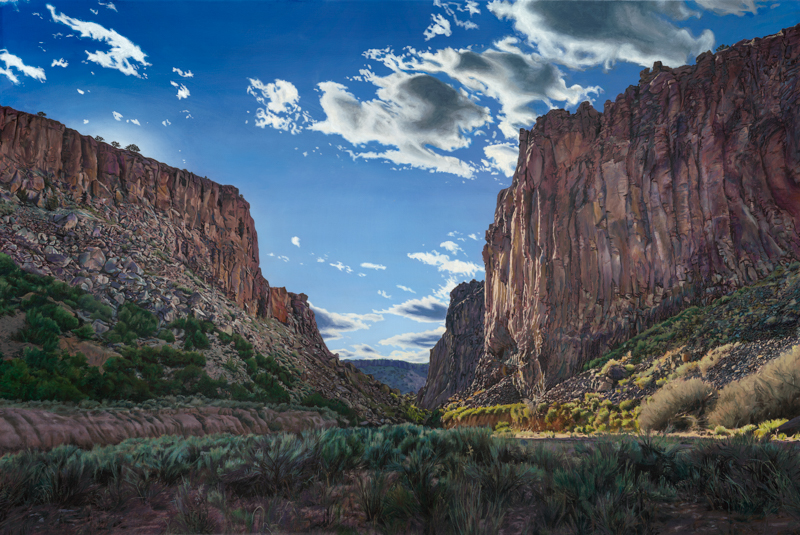
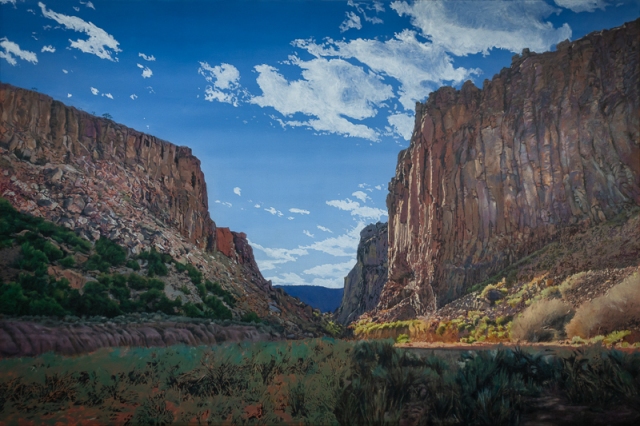
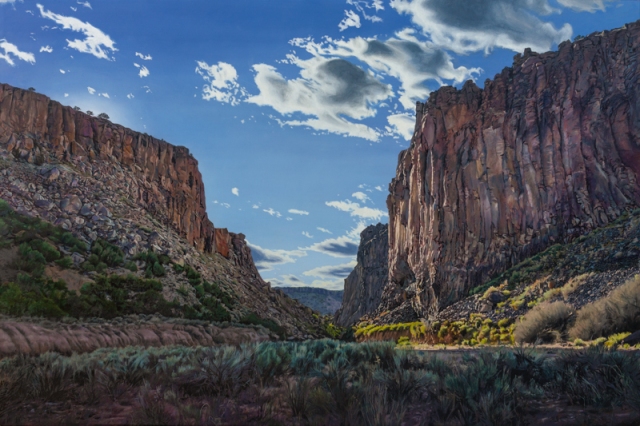
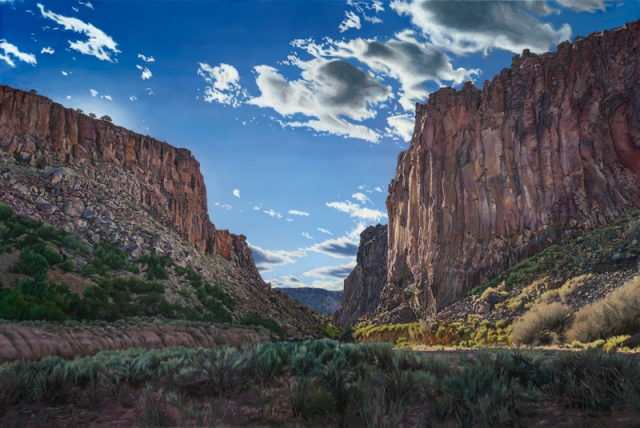
I had an unexpected inquiry from my website last fall; someone had recently bought a home that was near Diablo Canyon and was wondering if I would be interested in a largish commission to make a painting of it. That began a months long process that just finished recently.
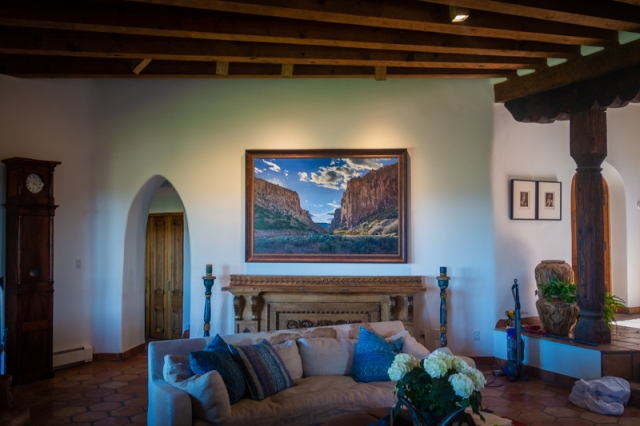
I had taken several photographs of Diablo Canyon – they had done a google search for ‘paintings + diablo canyon’, and the keywords on my photographs had led them to my website, as it turns out. We went through about 12 of my photographs maybe, and culled that to 4. I went to their house and took photos of the room where the painting would go, and mocked up each photograph as if it were framed to scale there. Eventually I made two full size color prints of their two likeliest choices on not great paper, and they taped them up on the wall. Once they had chosen the image, I got started.
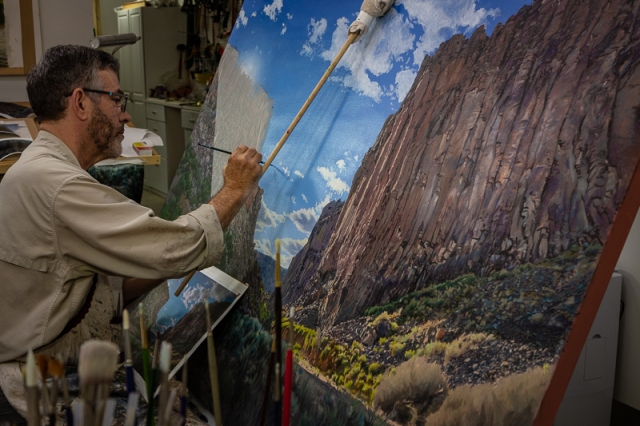
It wasn’t really possible to make a watercolor as big as they wanted, so I decided to use acrylic on canvas for weight’s sake. My friend and master oil painter, Madison Cawein, persuaded me that I would appreciate working in oils and promised to help get me set up and share which mediums he used, etc., so I changed courses and started my first oil painting since I was 12…
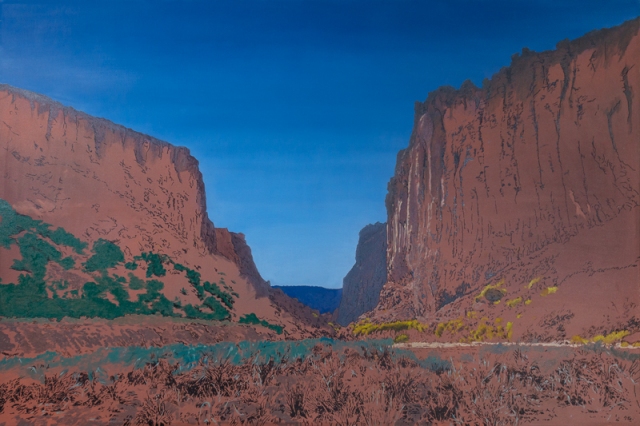
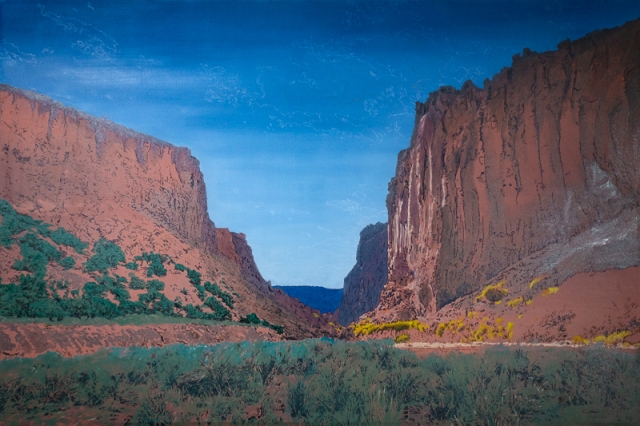
Here is an abbreviated version of the process:
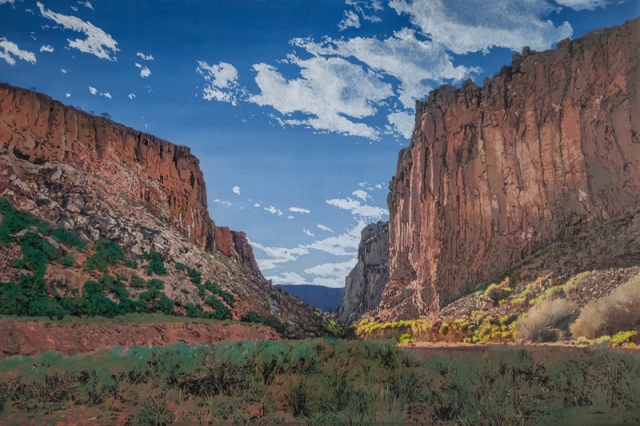
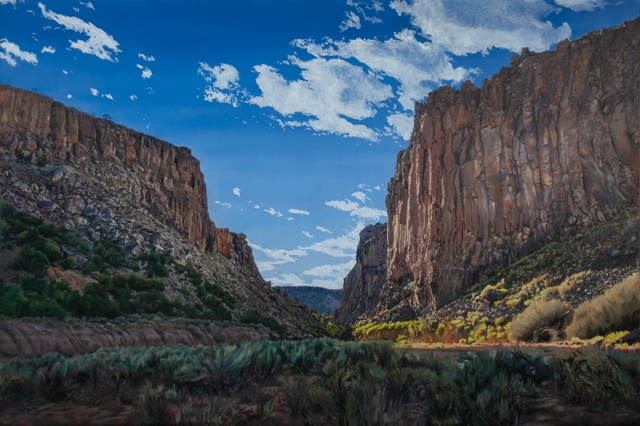
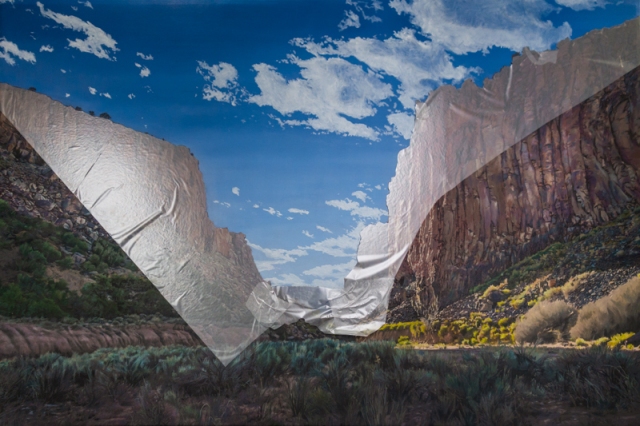
Next began the time intensive process of the complex landscape of rocks and plants. The next few stages are more of a cartoon, where things are indicated in almost a comic book fashion. I shared key stages with the collectors, and fortunately they didn’t freak out!Sorry for the wet paint here that is shining. After indicating the darker shadows, often with a marker or colored pencil, I scumbled transparent washes to indicate larger areas, like rock shadows or the chamisa in the foreground. It’s hard to see here, but the edges of the clouds have been sketched with a white colored pencil.Here’s where the underpainting helps. It’s actually showing through a lot as I am working on filling in various areas, but because it is close to the actual rocks in color and tone it starts to read. This is a small image, but on the actual painting it looked pretty darn rough. I used thin white paint to fill in my sketches of the clouds, leaving the dark interiors more untouched.Basically I went through and worked on each area at a time. The cliffs have had a second touch, and I just beginning here to work on the accursed chamisa in the foreground; you can see the dividing line in the middle of the painting on the bottom between the comic book on the left and the first stab at detail on the left.Now the entire foreground is addressed, and it’s time to add in the clouds.The sky needed to be reworked as I added clouds, not to mention the sun’s glow over the edge of the cliff at left. Knowing that I would need a big brush and big movement, I used a watercolor trick, and cut extra adhesive frisket paper and adhered it over the cliffs so I would minimize the amount of work I had to redo.
Beginning to work on the clouds…This shows my first pass on the clouds. They’re a little too smooth and phony. Bummer.Here’s the final painting. I printed a better reference for the clouds, which helped, and also went around and tightened or re-worked various areas. Sometimes they needed detail, and sometimes there were areas that I had missed. (I could have done this process for weeks.)Here’s the final framed painting after installing it my delightful client’s house.
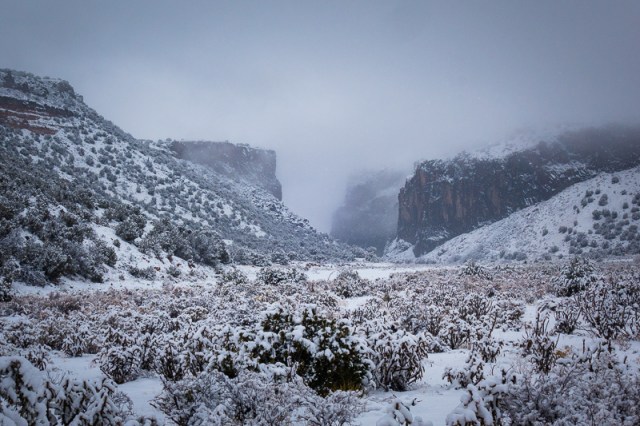
We’ve had some delightful winter weather here in Santa Fe. Not knowing how long it would last, I hurried down to Diablo Canyon, which is amazingly just down the road from where we live.
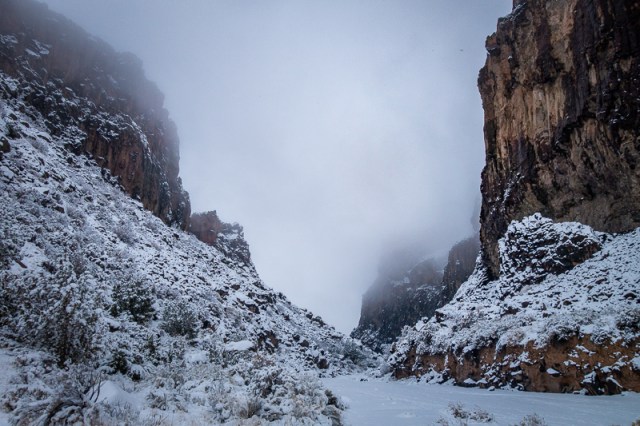
Diablo Canyon was originally a lava lake that was probably surrounded by sandstones that have since eroded away, leaving these basalt cliffs. I’ve enjoyed visiting it, but wasn’t amazed until I went one day and saw these guys high on the cliffs to the left. I scrambled around a bit and discovered the trail that goes up that side and into what’s called the grotto and eventually up to the top. That completely changes one’s point of view, and also gives some lovely views to the Jemez Mountains to the west.
Coincidentally, I was commissioned to make a 4′ x 6′ oil painting of Diablo Canyon, which I am in the middle of now. I attached a work in progress image at the end of these photographs.
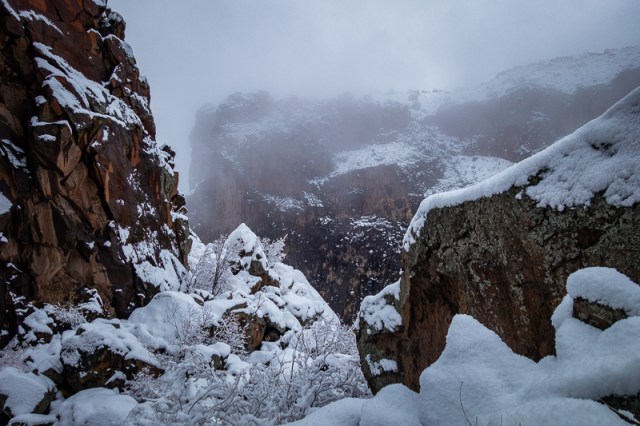
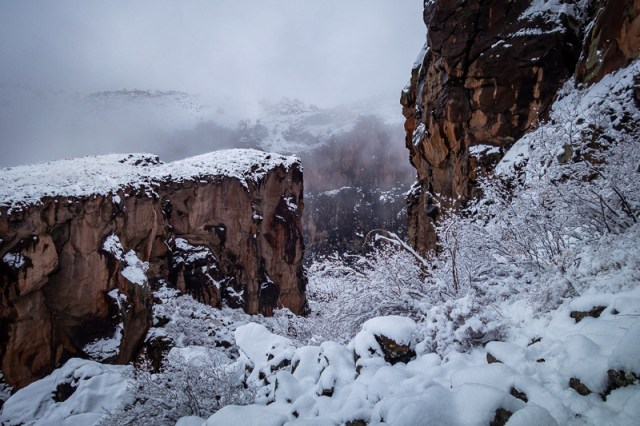
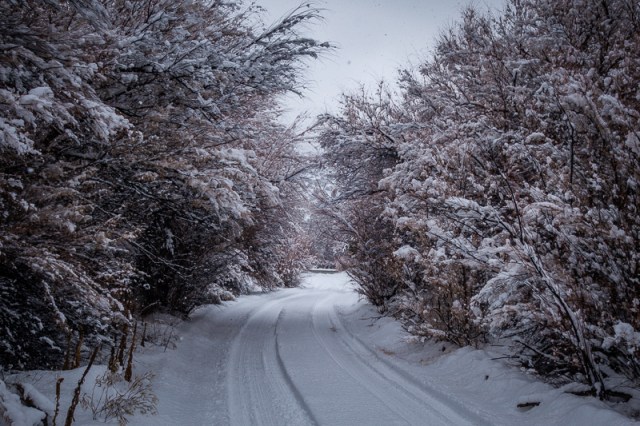
Diablo Canyon seen from Buckman Road on the way there.Entering the canyon at ground levelOn the way up the trail that climbs the cliffA view from the grotto looking out to the main cliffs.This is looking west from higher up. The Jemez Mountains are lost in mist.Looking north from high in the grotto.This is looking back towards Santa Fe in the distance.Looking back as I leave.I headed to the Rio Grande before I left. This is Buckman Road right before it.The Rio Grande in snowHere’s the painting I am working on now.
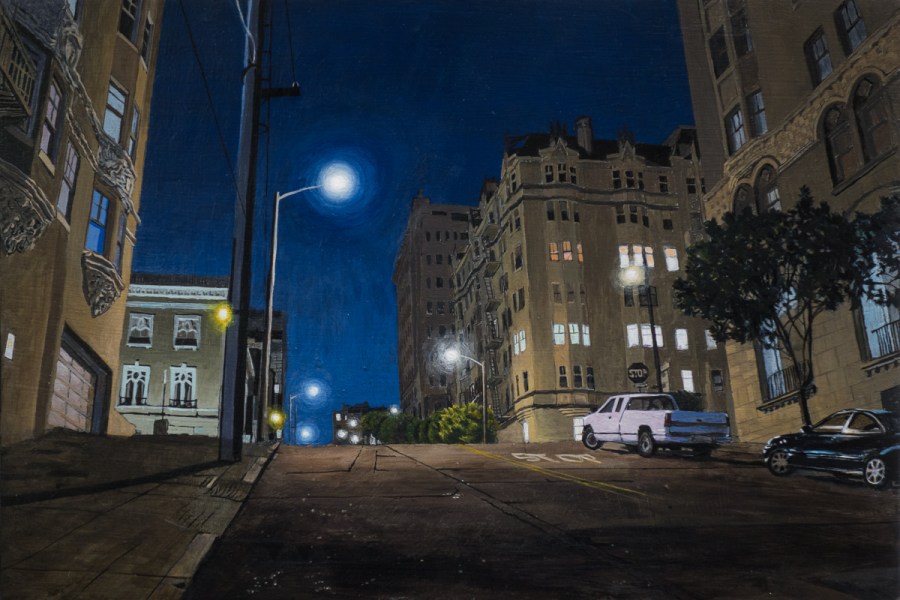
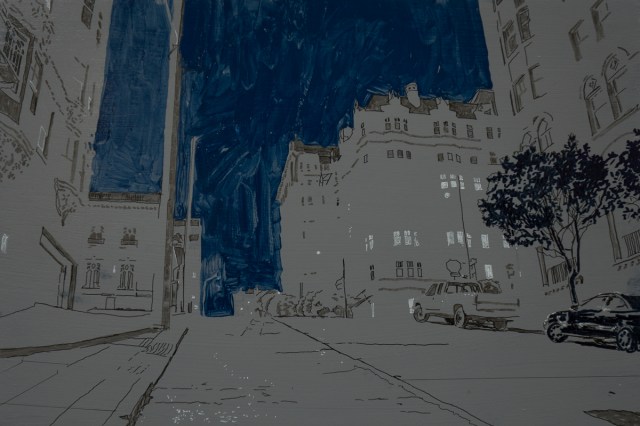
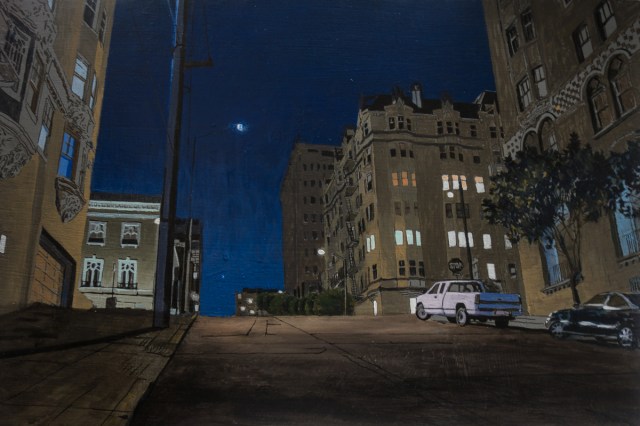
This is from a late night ramble around the area overlooking the Marina one night, after I had moved to Santa Fe but was still working occasionally in San Francisco. After three decades there, there is a certain wistfulness about this special place in this image.
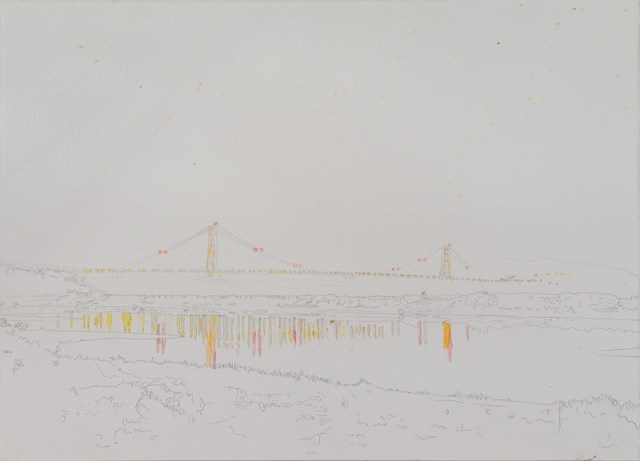
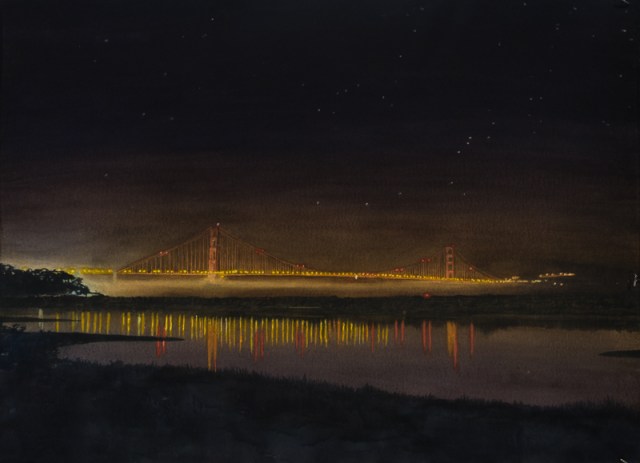
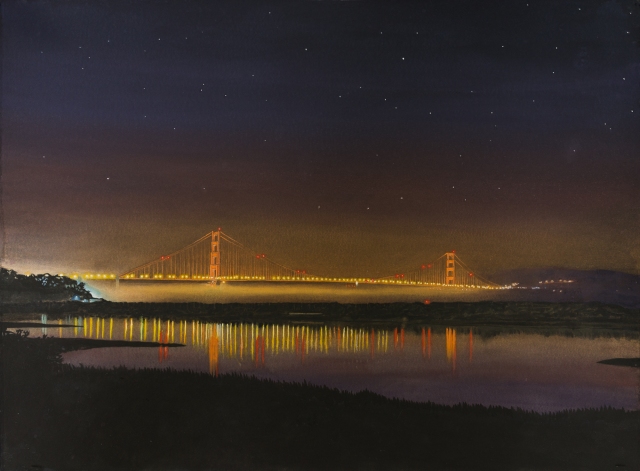
Here’s a painting from my old hometown. This is the Golden Gate Bridge very late at night from Crissy Field lagoon.
I’ve been experimenting with using a mix of lifting preparation and gum arabic mixed with water as a resist to keep light areas. Gum arabic gives softer edges but is much more idiosyncratic in the way it works.The foreground is really almost black, but I wanted to start with the darkest shadows.The problem here is that I had too long of a hiatus working on this and the frisket dried too much and didn’t remove cleanly. For me, there is usually a stage in a watercolor where it really looks just terrible.Beginning to put in the bridge, and the foreground darks.A very dark wash added to the sky. The areas between the wires in the bridge are getting gummed up and the thing is looking very messy. I hate that.Some clean up, but the bloody painting is still sort of a mess.Fortunately there’s gouache paint! Gouache is watercolor to which has been added chalk to make it opaque. In watercolor, the paper is the white, but in gouache, one uses white paint and – you can COVER UP STUFF!!!This is several layers later, addressing various areas of interest one at a time. Every part of the painting has been gone over at least a little. And now I’m using Chinese white for the stars.





























 Jonathan Keeton Artist Blog